

Brazil is seeing one other sharp enhance in demand for imported hashish medicines, including to proof that hemp-derived CBD is changing into a longtime a part of the nation’s medical market as regulators create a extra outlined pathway for the compound.
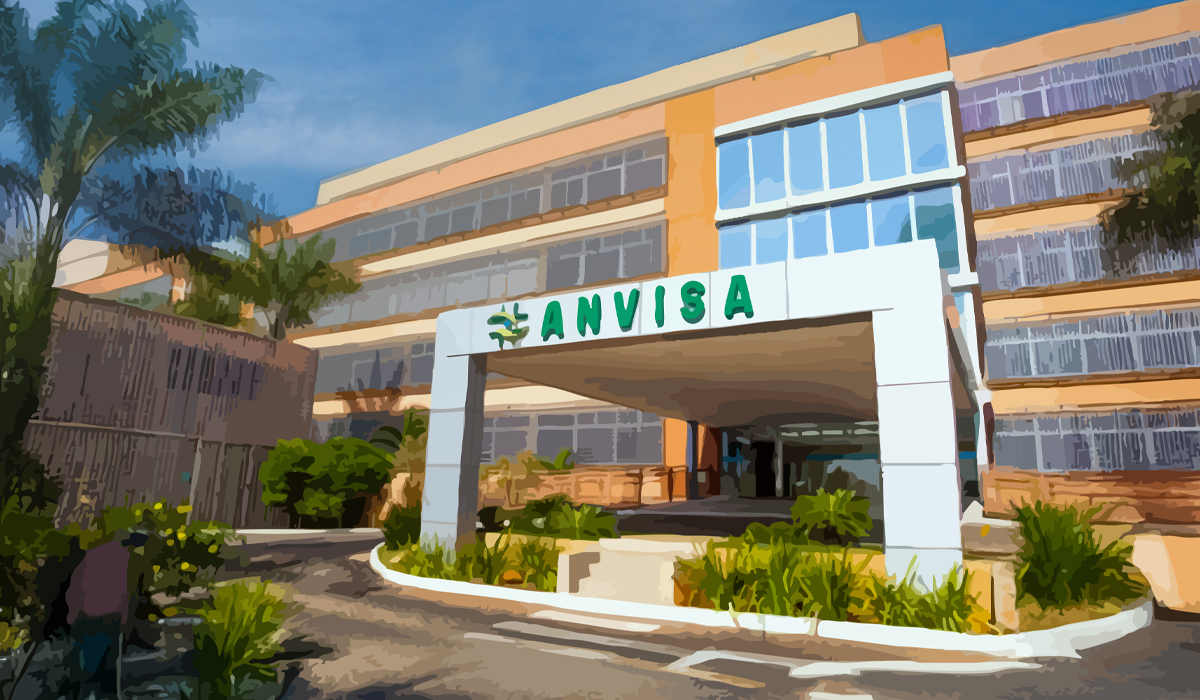
The Nationwide Well being Surveillance Company (Anvisa) issued 116,372 authorizations for people to import cannabis-derived merchandise throughout the first six months of 2026, a rise of almost 29% from the identical interval final 12 months, based on knowledge obtained below Brazil’s Entry to Info Regulation.
Import authorizations have averaged almost 20,000 per 30 days this 12 months, in contrast with roughly 15,000 month-to-month throughout the first half of 2025. March reached 23,199 authorizations, whereas 18,255 have been recorded in June.
CBD outstanding
The figures cowl cannabis-derived medical merchandise usually and don’t establish what number of authorizations contain CBD fairly than merchandise containing vital ranges of THC. However a number of indicators level to CBD and CBD-dominant formulations accounting for a considerable a part of the market.
CBD has lengthy occupied a very outstanding place in Brazil’s medical hashish system, and Anvisa’s regulatory construction provides the compound particular therapy. The company’s guidelines explicitly cowl CBD as a pharmaceutical ingredient, and Brazil has developed separate pathways for registered CBD medicines and different prescription hashish merchandise.
Market knowledge present CBD’s robust place. Pharmaceutical market researcher Shut-Up Worldwide reported final 12 months that CBD isolate medicines represented 52% of the regulated cannabinoid merchandise it tracked, whereas broader hashish extracts accounted for 48%. CBD isolate merchandise have been rising 31.1% year-on-year, whereas hashish extracts elevated 63.8%.
Entry widens
The surge in imports comes as Brazil is overhauling its hashish medication guidelines.
Anvisa this 12 months adopted a brand new regulatory framework protecting pharmaceutical merchandise containing CBD or hashish extracts. The principles additionally enable imports of hashish plant materials, extracts and pharmaceutical-grade CBD for analysis, growth and manufacturing.
The framework that took impact in Can also widened affected person entry and created the beginnings of a home provide chain for medical CBD. Compounding pharmacies are anticipated to realize a pathway to dispense individualized CBD preparations, whereas tightly managed cultivation of hashish containing not more than 0.3% THC has been approved for medicinal and pharmaceutical functions.
That could be a vital change for a rustic that has depended closely on imported cannabinoid merchandise and elements.
THC medicines
Brazil additionally permits medical use of hashish merchandise containing THC, though below considerably tighter controls than these governing low-THC merchandise.
Below Anvisa’s 2026 guidelines, hashish merchandise containing greater than 0.2% THC might be prescribed for sufferers with severe, debilitating or life-threatening illnesses. These merchandise require stricter controlled-drug prescriptions, whereas merchandise containing not more than 0.2% THC can be found below a much less restrictive prescription system.
That distinction leaves CBD and low-THC formulations with a significantly broader potential affected person base whereas sustaining a authorized channel for higher-THC medical hashish.
The principles shouldn’t be confused with legalization of leisure marijuana, which stays prohibited, or with a broad industrial marijuana cultivation program. Home hashish cultivation stays tightly managed and tied primarily to medicinal, pharmaceutical and analysis functions.
Imports dominate
Brazil’s reliance on imports has been a recurring function of the market. Home cultivation was held up for years as Anvisa and different federal authorities struggled to adjust to courtroom orders requiring guidelines for low-THC hashish.
The Superior Court docket of Justice dominated in 2024 that low-THC hashish shouldn’t be handled the identical as drug-type hashish and ordered regulators to ascertain a framework for cultivation for health-related functions.
Anvisa repeatedly delayed implementation throughout 2025, together with suspending rulemaking shortly earlier than one courtroom deadline.
Industrial hole
The ensuing 2026 framework represents substantial progress for medical CBD however stops properly in need of establishing a standard industrial hemp sector.
Brazil’s guidelines enable cultivation of Hashish sativa containing not more than 0.3% THC for medicinal and pharmaceutical functions, however hemp grown for such mainstream industrial functions as meals, grain, fiber, building supplies and bioplastics stays exterior the framework.
That leaves an uncommon divide: Brazil is quickly increasing into one in every of Latin America’s largest markets for cannabinoid medicines whereas the nation’s appreciable agricultural potential for industrial hemp stays largely untapped.
The Brazilian Agricultural Analysis Company (Embrapa) has argued that the nation ought to in the end undertake a 1.0% THC restrict to make home hemp manufacturing internationally aggressive.
For now, the accelerating import authorizations present one of many clearest measures of the place precise demand is creating. Regardless of the exact division between CBD and THC-containing formulations, the expansion is going on inside a regulatory system during which CBD has been given a very outstanding and more and more well-defined position.


